SelfCareSupport

Why Nail Fungus Keeps Coming Back — And What Most Treatments Get Wrong

Many people face the same frustrating situation: they try creams, sprays, or pharmacy solutions for nail fungus… and for a while, it seems to improve — but then it comes back.

This cycle can repeat for months or even years.

Despite what many believe, recurring nail fungus is not just about hygiene. In many cases, it’s related to how deeply the problem develops — and how most treatments fail to address it completely.

Understanding this can explain why so many solutions don’t deliver lasting results.

What Is Nail Fungus (And Why It’s So Hard to Deal With)?

Nail fungus, also known as onychomycosis, affects the nail and the skin underneath it.

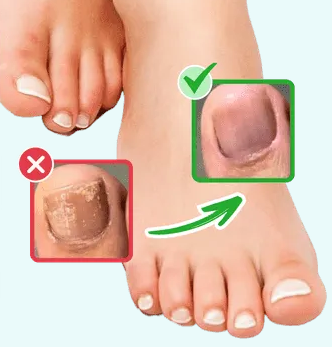
At first, it may look like a small cosmetic issue — slight discoloration or thickening.

But over time, the nail can become:

  • Yellow or darkened
  • Brittle or cracked
  • Thick and uneven
  • Loosened from the nail bed

The challenge is that the issue often develops below the surface, making it harder for many products to act effectively.

The Main Reasons Many Treatments Don’t Work

1. Surface-Level Action

Many over-the-counter products focus only on the outer layer of the nail.

They may improve how the nail looks temporarily, but don’t fully address what’s happening underneath.

This is one of the main reasons the problem keeps coming back.


2. Harsh Formulas

Some treatments rely on strong chemical ingredients.

While they may seem effective at first, they can dry out the nail and surrounding skin — which may make long-term improvement harder.


3. Inconsistent Use

Messy or complicated routines often lead to inconsistent application.

And without consistency, even good products tend to deliver weaker results.

Why This Becomes So Frustrating

At the beginning, many solutions feel promising.

But over time, people notice patterns like:

  • The appearance improves, but not completely
  • The nail still looks unhealthy
  • The issue returns after stopping the product

In many cases, this is not about doing something wrong — but about the limitations of the approach itself.
What a More Practical Approach Looks Like

Instead of focusing only on surface-level results, newer approaches tend to focus on:

  • Reaching deeper areas of the nail
  • Supporting a healthier nail environment
  • Using gentler ingredient profiles
  • Making application simple and consistent

These factors can make a big difference over time.

A Different Type of Nail Care Solution

Recently, some people have started using a different type of product: applicator pens designed for nail care.

One example that has been getting attention is Orivelle.

Instead of creams or sprays, this type of applicator is designed to:

  • Cover the nail evenly
  • Be easy to apply
  • Fit into a simple daily routine

It also uses a combination of plant-based ingredients commonly found in personal care products.

What Makes This Approach Different

Based on how it’s designed, this type of solution focuses on:

  • Simplicity: quick, mess-free application
  • Precision: easier coverage of affected areas
  • Routine: supports consistent use
  • Ingredients: commonly used in skin and nail care

Many people find that a simpler routine helps them stay consistent — which is often an important factor.

Important Considerations

Nail conditions vary from person to person.

Factors like severity, consistency of use, and individual response can influence results.

Products like this are not intended to diagnose or treat medical conditions, but some people choose to include them as part of their personal care routine.

Final Thoughts

Recurring nail fungus is more common than most people think.

And in many cases, it’s not just a surface issue — which is why so many treatments fall short.

Understanding this can help you explore alternatives in a more informed way.

For those interested in a more practical and easy-to-use approach, learning more about options like Orivelle may be a useful next step.

This content is for informational purposes only and does not replace professional medical advice. Individual results may vary.

© 2026 All Rights Reserved.